
By Chris Butterworth
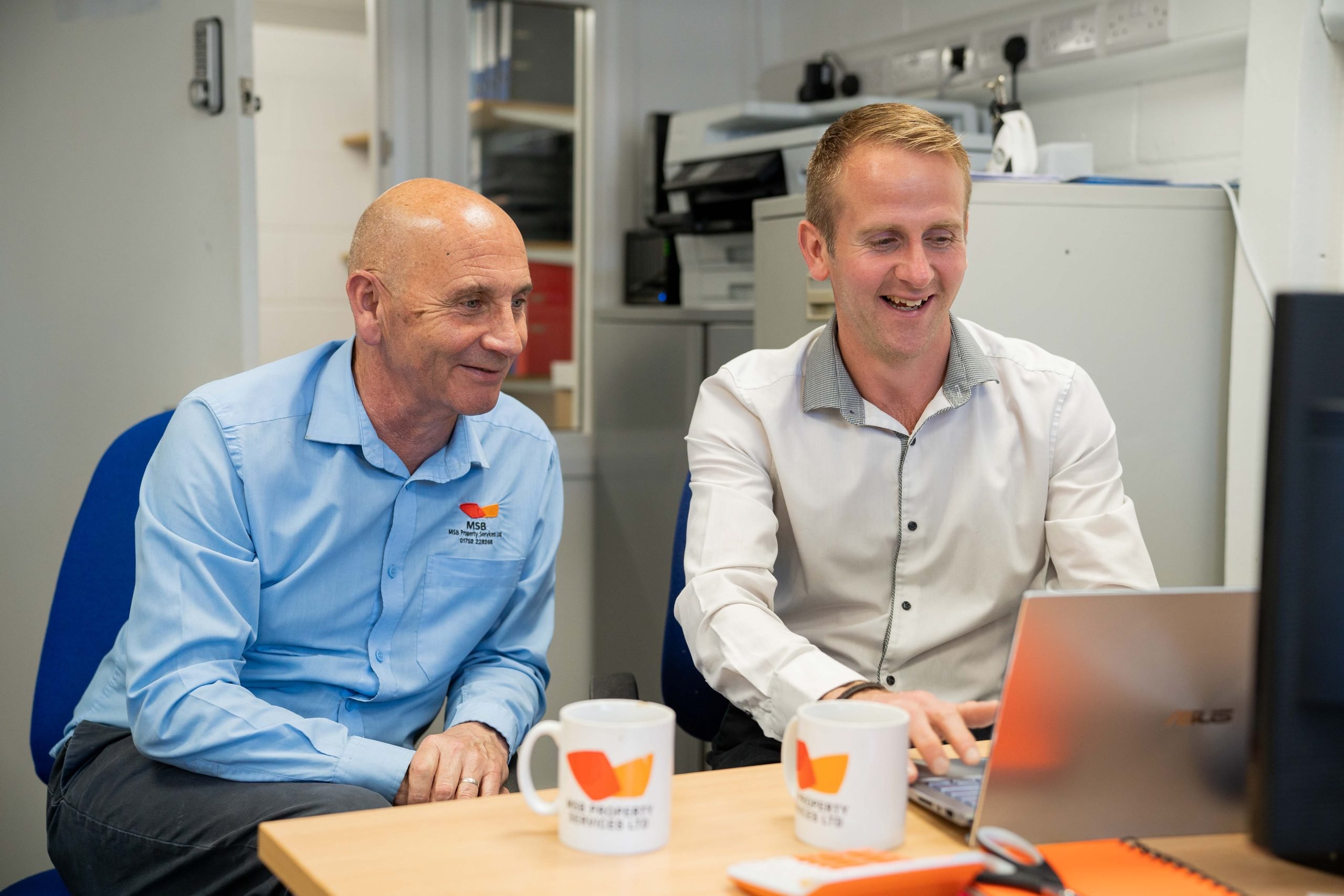
One of the best parts of my job is visiting clients in their offices. My objective is to get to know their business and to get MARKUS live so they can quickly see the benefits it will bring them.
Sometimes the set-up has to be done over Teams, but it’s much better doing these visits in person. Of course, it’s lovely to actually meet people – but it’s also great because it means I can read the room and the reactions while I’m delivering the training, which just makes everything so much easier!
More often than not the initial setup of the system has been done remotely, so my first visit is usually to demonstrate what we have built, train the users and get them in a position where they can trial the system, or even better, go live while I’m there.
Implementation days start early so I can walk my dogs, get a good breakfast and be ready for a full day of training and meetings. I usually aim to arrive an hour into the customer’s working day – I find this helps as everyone has already had at least one coffee and is ready to go having dealt with the issues that always arise at the start of the day, engineers walking round the office, and of course the mountains of emails.
First of all, I find the person who I’ve been dealing with to get the system setup, and I often get made a nice coffee (hint hint!). Then follows a walk round the business getting to meet the key stakeholders, usually the people I will be training during my visit.
Then we set up in a meeting room. Naturally each visit is different, but I always begin by learning everyone’s name and what they do. Then I make sure they all know who I am, what EPIX is, and why they’re in the room with me… you’d be surprised how many people don’t know why I’m there!
I find it so beneficial to get to know the business and its staff, the personal relationship between EPIX and the client is vital to success I feel. I make sure the training meets the needs of the people in the room, so the training format varies and is tailored to suit the needs of each business, but most importantly, the needs of the MARKUS users.
The Training
Firstly, we cover the system basics – the things everyone needs to know. Then we address logging jobs, scheduling the jobs for engineers, and using the diary.
I then like to show office staff the mobile app. Our users find it really helpful to see what the engineers see – and what the data looks like when the engineers record it – so they have a better understanding when they look at the information in the office.
If there are specific teams for the scheduling of jobs I set them off with a few practice jobs. More often than not they then begin to log and schedule in real jobs on the system ready to go live!
Meanwhile I train the users responsible for the job costing side of things.
Then comes lunchtime. I always like us to stop for lunch, it gives everyone a break and offers time to have a nice chat and get to know each other (and not talk about MARKUS for a few minutes!)
After lunch we do more training – this could be recapping the things we did in the morning – and then it’s on to the finance team to discuss the invoicing of jobs.
Often at this point engineers turn up for training on the mobile app. It usually takes ten minutes or so to install the app onto everyone’s device and then training starts. An hour later the engineers all leave, fully trained and happy with their apps pointing at the live system ready to go.
At this point everyone’s heads have usually melted so it’s time to stop!
More often than not I’m back in the next day for more of the same. Except, this time, MARKUS is actually live. The engineers run around doing their jobs live on the app, the office staff log new jobs and cost up the ones that have been done, finance are busy invoicing and in between all this, I train everyone on the more advanced features that we didn’t cover the day before.
It’s a great feeling to head back to Manchester knowing that a new customer is up and running and getting the benefits from an end-to-end system that simply makes their lives easier. They have all the info they need on all their jobs there on MARKUS, there’s no more piles of paperwork hanging around, no more spreadsheets or missing notes from calls or suppliers, it’s all there on the system for whoever needs it, whenever they need it.

