

The focus for damp and mould is shifting…Ella explains more.
Damp and mould remain major topics within the housing sector, but over the past year the tone has changed. In 2024 the conversation was dominated by Awaab’s Law, introduced after the death of two-year-old Awaab Ishak, who was exposed to mould over a prolonged period in his home. Awaab’s law requires social landlords to investigate hazards like damp and mould within 14 calendar days, start repairs within 7 days after that, and complete the work within 21 days – unless there are access or safety issues.
Recently attention has shifted from urgent compliance to longer-term prevention. Retrofitting, ventilation, insulation, and home design featured heavily across discussions and stands when we were at Housing 2025 and the message is clear – it is not enough to fix problems as they arise. Properties need to be maintained in a way that prevents the issue arising in the first place.
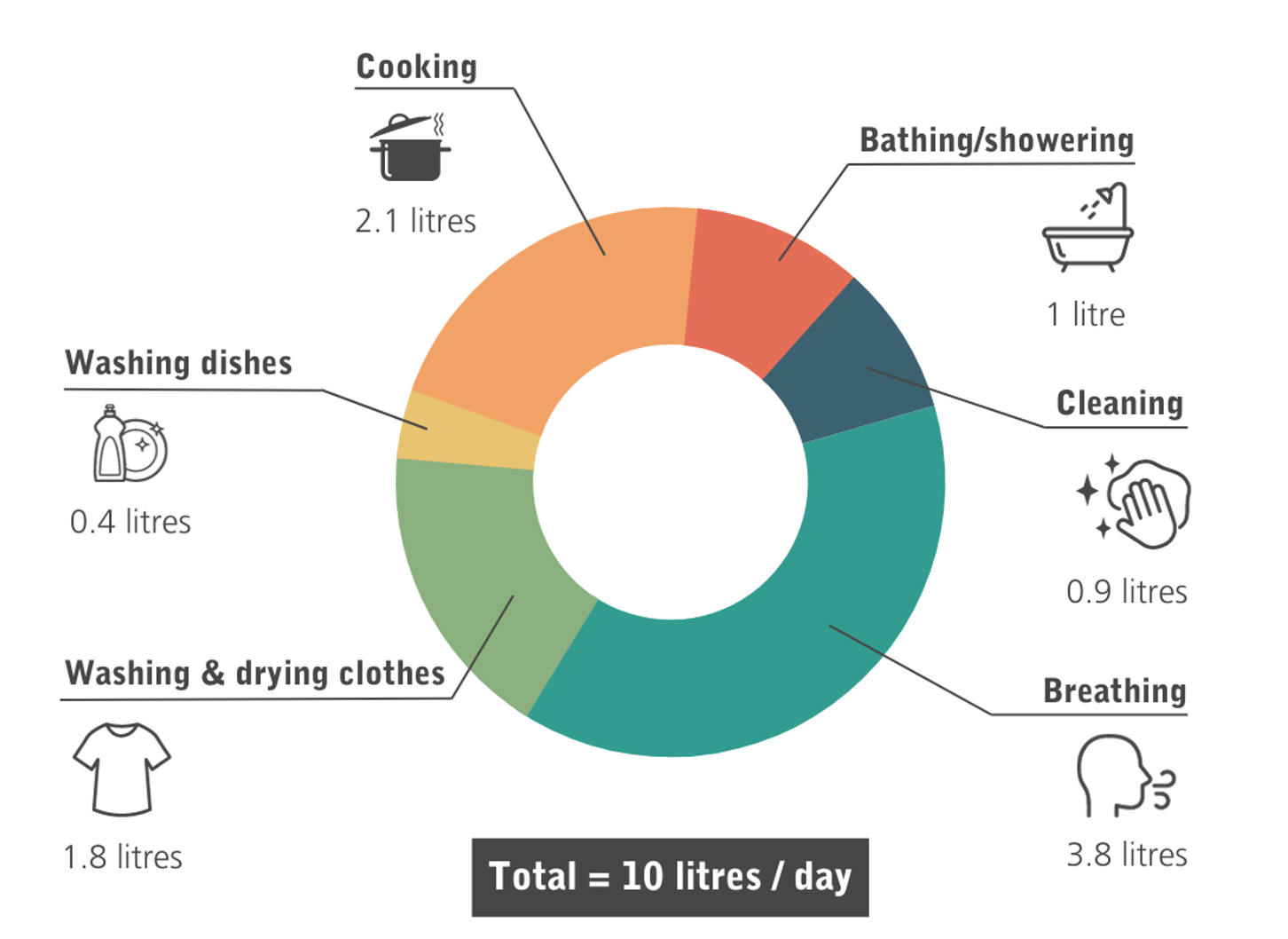
Over 85% of damp and mould issues in homes are linked to condensation. Everyday activities like cooking, showering, and drying clothes indoors release moisture into the air. If the home is poorly ventilated or not kept at a consistent temperature, that moisture settles on cold surfaces and encourages mould growth. Other causes like penetrating damp or rising damp are less common but often more complex and expensive to repair.
 The health impacts are serious. Children exposed to mould are more than twice as likely to develop asthma. Tenants living with damp report more frequent chest infections, poor sleep, and mental health stress. For many, this is not just a repair issue. It is about safety, dignity, and quality of life.
Simple steps can help reduce moisture build-up, such as using extractor fans, avoiding drying clothes indoors where possible, and leaving small gaps between furniture and cold walls. Dehumidifiers and anti-mould paint can offer short-term relief but without proper airflow and heating, damp tends to return.
That is why retrofitting has become such a key focus. Upgrading insulation, replacing windows, improving airflow, and making homes easier to heat can significantly reduce the risk of damp. However, this needs to be done carefully. Airtight homes are more energy efficient but without ventilation systems in place, they can trap moisture inside and increase condensation.
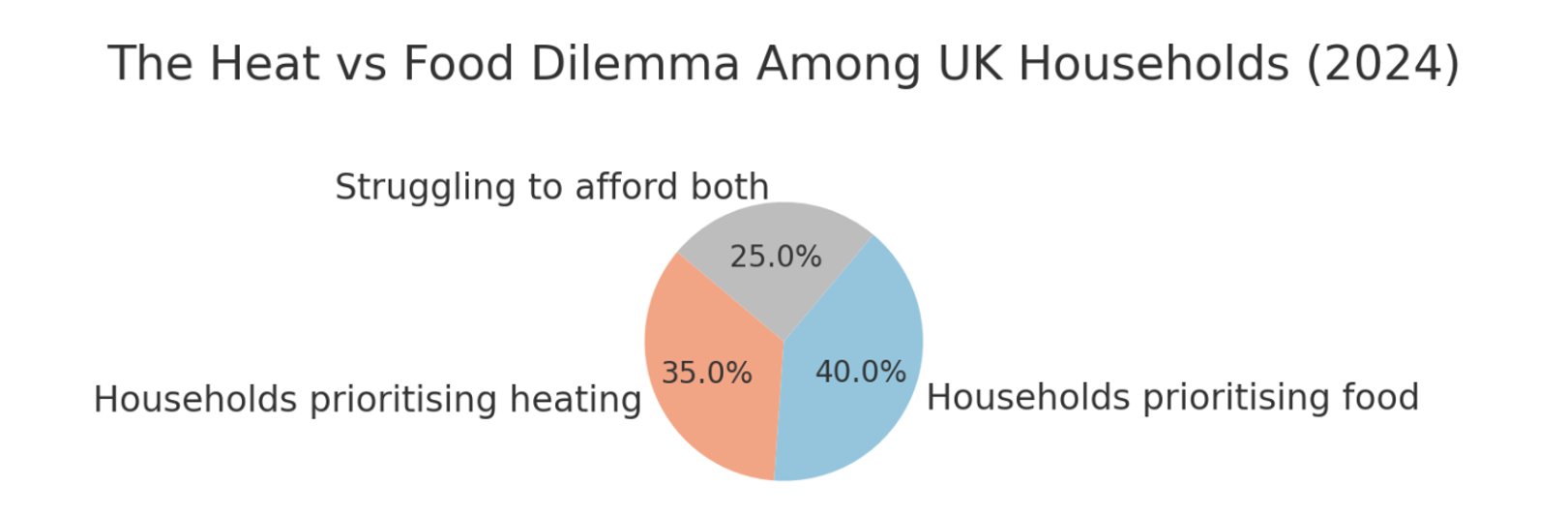
This creates a difficult balance. For some tenants, the choice between heating and food is still very real. Under-heated homes are colder, more humid, and more likely to develop mould. Solving damp requires more than just technical upgrades. It means designing homes that stay dry even when heating use is limited and ensuring tenants are supported with advice and practical tools that actually work.
 MARKUS is helping by supporting structured damp and mould reporting. When a property has signs of damp, surveys can be carried out with photos and site notes captured directly in the system. That information is stored against the job and is available for compliance, inspection, or audit. It helps ensure cases are taken seriously and acted on without delay.
Many customers now use custom surveys in MARKUS to support consistent reporting, especially for repairs that may involve multiple visits or specialist contractors. These surveys make it easier to standardise inspections and reduce the risk of missing something important. With everything stored in one place, teams can work more efficiently and avoid repeating work.
Damp and mould are no longer seen as isolated repairs. They are now indicators of overall housing quality and performance. The sector is under pressure to deliver better outcomes and faster responses while reducing long-term risk. The message is clear – fixing problems is not enough, we need to design them out.

